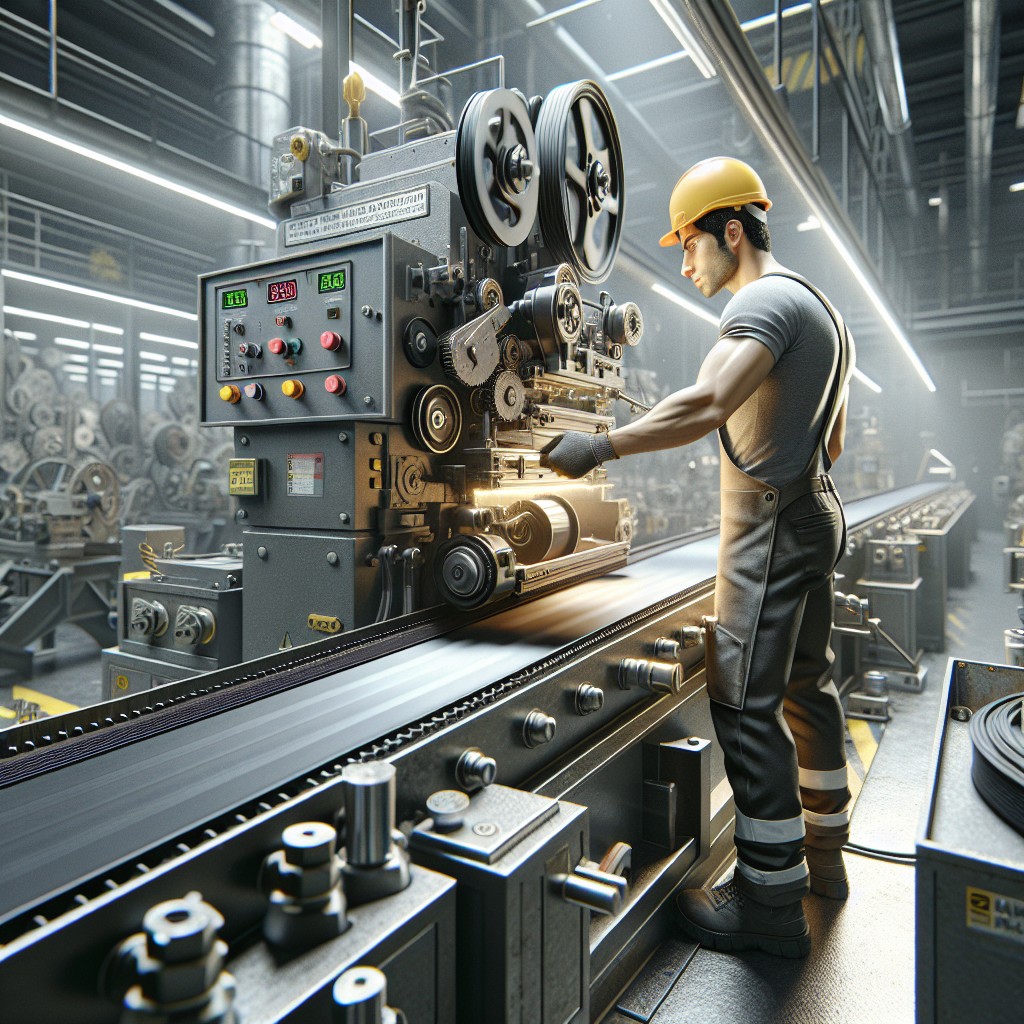
Conveyor systems are integral to numerous industries, from mining and manufacturing to logistics and agriculture. When these systems experience failures, rapid and effective conveyor repair in the field is critical to minimizing production shutdowns. This article explores current methodologies and best practices for performing conveyor repair efficiently on-site while maintaining operational safety and equipment integrity.
Challenges faced during conveyor repair in the field
Performing conveyor repair in the field presents several challenges unique to the operational environment. Field conditions often include exposure to harsh weather, limited workspace, and restricted access to specialized tools or replacement parts. Additionally, technicians must balance the pressure to reduce downtime with the necessity of thorough diagnostics and repair, ensuring that no shortcuts compromise system reliability. These factors demand technical expertise and adaptability in repair strategies.
Strategies to reduce conveyor system downtime
Industry leaders emphasize planned maintenance combined with rapid field repair capability as the cornerstone of reducing conveyor shutdown times. Employing predictive maintenance technologies such as vibration analysis and thermal imaging helps identify potential component failures before they occur. When a breakdown does happen, on-site teams trained in quick yet comprehensive conveyor repair can restore functionality faster. The use of modular conveyor components that are easier to replace in the field further accelerates repair work without sacrificing quality.
Technological advancements supporting conveyor repair
Advancements in technology are reshaping how conveyor repair in the field is conducted. Remote monitoring systems provide real-time data that guides maintenance and repair decisions, lowering unexpected failures. Mobile diagnostic equipment enhances technicians’ ability to pinpoint issues accurately on site. Furthermore, improved material sciences have led to more resilient conveyor components that require less frequent replacement. These innovations collectively support efficient repair processes and encourage proactive maintenance approaches.
Training and safety as essential components
Effective conveyor repair not only depends on tools and technology but also on skilled personnel. Comprehensive training ensures that technicians understand the complexities of conveyor systems and can execute repairs adhering to safety standards. Field repair environments often introduce risks such as moving parts and elevated work areas; therefore, strict safety protocols are indispensable. Enterprises that invest in continual training and enforce rigorous safety measures typically experience fewer accidents and higher repair quality.
The role of industry standards and collaboration
Adherence to established industry standards plays a critical role in conveyor repair operations. Standards set forth by organizations such as the Conveyor Equipment Manufacturers Association (CEMA) provide guidelines for proper maintenance and repair procedures, ensuring consistency and quality. Collaboration between equipment manufacturers, maintenance teams, and operational management fosters knowledge sharing and development of best practices. Compliance with these standards helps prevent premature failures and supports longer conveyor system life spans.
In conclusion, efficient conveyor repair in the field requires a balanced approach that combines technical proficiency, carefully planned downtime reduction strategies, and safety-conscious practices. While the pressure to minimize shutdown time is significant, maintaining repair quality is essential to sustainable industrial operations. Given ongoing technological progress and increased emphasis on training and standards, the outlook for more effective field conveyor repair continues to improve, benefiting industries reliant on these critical systems. Companies embracing these trends will likely see enhanced operational resilience in the years ahead.
For further information on conveyor repair best practices and industry standards, visit the Conveyor Equipment Manufacturers Association (CEMA) and Occupational Safety and Health Administration (OSHA) websites.
Frequently Asked Questions about conveyor repair
What are the key advantages of performing conveyor repair in the field?
Carrying out conveyor repair in the field allows for rapid response to system failures, reducing overall downtime and avoiding prolonged production loss. Field repair also enables technicians to address issues directly at the site with minimal disruption.
How can downtime be effectively reduced during conveyor repair?
Effective downtime reduction during conveyor repair involves proactive maintenance, skilled repair teams, and the use of modular components that simplify replacement. Planning and utilizing predictive technologies also contribute significantly to minimizing downtime.
What technologies support efficient conveyor repair in the field?
Technologies such as remote monitoring systems, mobile diagnostic tools, and advanced materials improve the accuracy, speed, and durability of conveyor repair in the field.
How important is safety in conveyor repair operations?
Safety is paramount during conveyor repair operations, as field environments can be hazardous. Strict adherence to safety protocols and comprehensive technician training reduce accidents and ensure repairs are conducted without harm.
Why should industry standards be considered during conveyor repair?
Industry standards provide guidelines that ensure conveyor repair is performed consistently and effectively, promoting system reliability and longevity. Following these standards helps prevent costly breakdowns and supports operational efficiency.