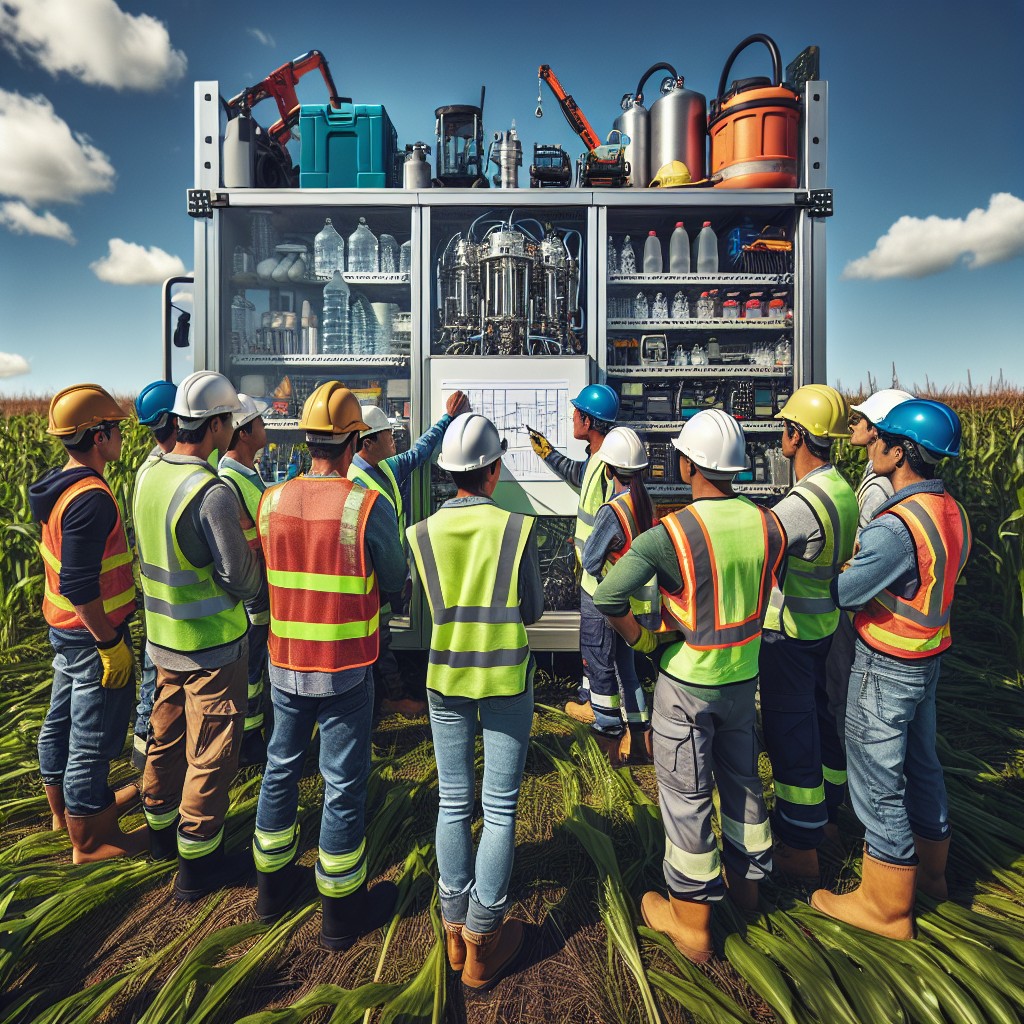
In industrial settings, hot presses play a crucial role in manufacturing processes, requiring vigilant adherence to safety regulations, especially during urgent fixes. Ensuring hot press safety routines can significantly reduce the risk of accidents and injuries during these high-pressure situations.
Understanding the Risks of Hot Press Operations
Hot presses operate at elevated temperatures and apply considerable pressure, creating inherent risks such as burns, crush injuries, and mechanical hazards. During urgent repairs, the haste to restore functionality can lead to lapses in safety protocols. Recognizing the specific dangers associated with hot press machinery is the first step towards implementing effective safety routines that mitigate incidents during unexpected malfunctions or breakdowns.
Establishing Clear Safety Protocols for Urgent Fixes
Implementing comprehensive safety protocols tailored for urgent maintenance situations is essential. These protocols include systematic lockout-tagout procedures to ensure the machinery is powered down and cannot be activated inadvertently. Staff must be trained to follow these steps diligently, ensuring all energy sources, including electrical, hydraulic, and pneumatic, are fully isolated. Clear communication among team members is critical to verify the press is safe before any repair work commences.
Role of Personal Protective Equipment in Hot Press Safety
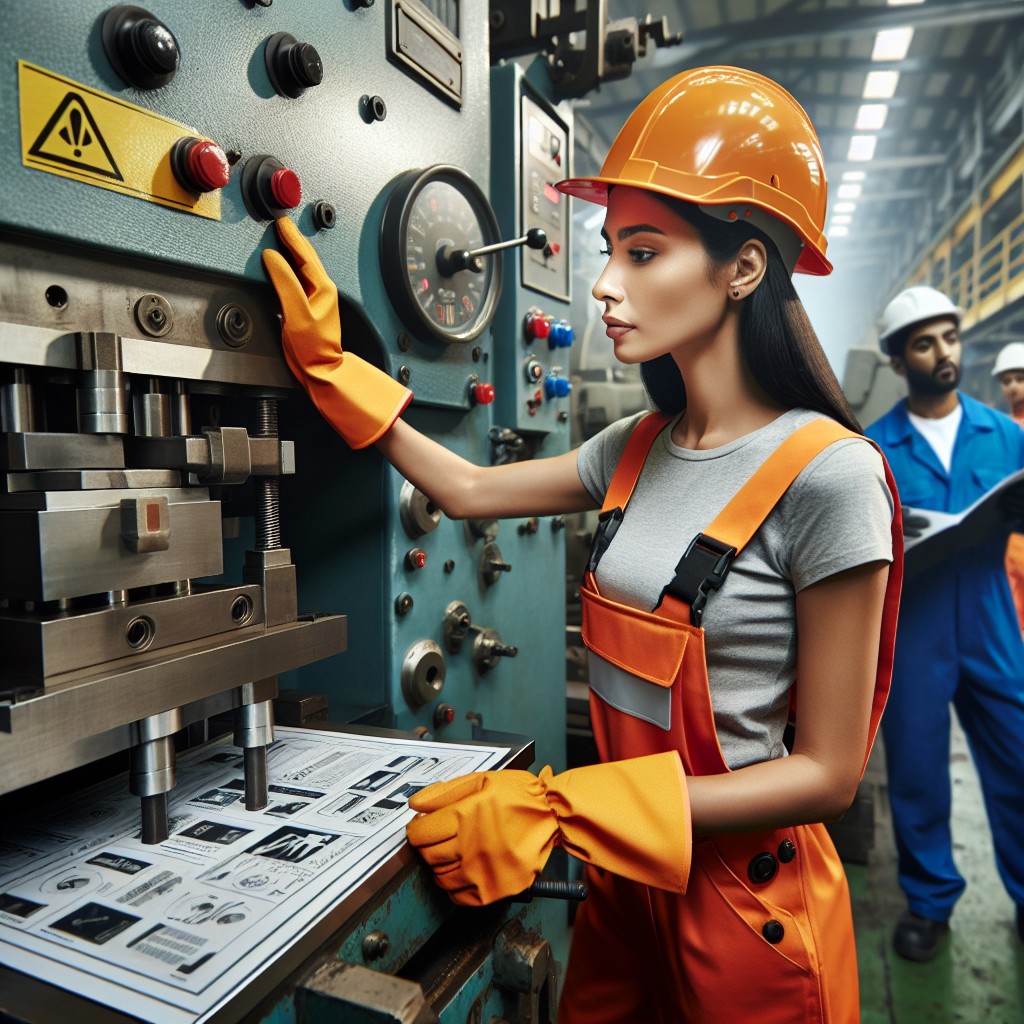
Personal protective equipment (PPE) is a cornerstone of hot press safety. Workers involved in urgent fixes must wear adequate protection such as heat-resistant gloves, face shields, and protective clothing to guard against thermal injuries and mechanical hazards. The proper use of PPE complements procedural safeguards, creating multiple layers of defense against accidents during repairs.
Training and Emergency Preparedness
Regular training ensures that personnel are familiar with both the equipment and the safety measures that must be observed during urgent interventions. Training programs focused on hazard recognition, emergency shutdown procedures, and first aid response improve overall readiness. Furthermore, establishing clear emergency response plans tailored to hot press-related incidents enhances the facility’s ability to react promptly and effectively to accidents, minimizing damage and injury.
Continuous Monitoring and Safety Culture
Promoting a safety culture that encourages reporting potential hazards and procedural deviations helps maintain high standards in hot press safety. Continuous monitoring of equipment performance through regular inspections and maintenance can prevent emergency breakdowns. Safety audits and feedback loops enable organizations to refine their urgent fix routines, fostering an environment where safety remains a priority even under time constraints.
Conclusion
Adherence to structured safety routines during urgent hot press repairs is vital to reducing incidents and protecting workers. By balancing timely interventions with methodical safety procedures, industries can maintain productivity without compromising workplace safety. Looking ahead, the integration of advanced monitoring technologies and ongoing safety training is expected to further enhance hot press safety, ensuring safer urgent fix operations across manufacturing sectors.
Frequently Asked Questions about hot press safety
What is the importance of hot press safety during urgent fixes?
Hot press safety is crucial during urgent fixes to prevent accidents caused by the high temperatures and pressures involved in the machinery, protecting workers from burns and mechanical injuries.
How can companies ensure hot press safety when conducting repairs?
Companies can ensure hot press safety by implementing strict lockout-tagout procedures, providing appropriate PPE, and training staff rigorously on safety protocols for urgent fixes.
What types of personal protective equipment are recommended for hot press safety?
Recommended PPE for hot press safety includes heat-resistant gloves, face shields, protective clothing, and safety boots, which help shield workers from thermal and mechanical hazards during urgent maintenance.
Are there specific training programs for hot press safety?
Yes, effective training programs for hot press safety focus on equipment handling, emergency procedures, hazard identification, and safe maintenance practices, essential for reducing incidents during urgent repairs.
How does a safety culture impact hot press safety in urgent situations?
A strong safety culture encourages vigilance, open communication, and adherence to protocols, which collectively enhance hot press safety by reducing errors and promoting proactive hazard management during urgent maintenance.