Belt vulcanizing is a critical process in the maintenance and repair of conveyor belts, essential for ensuring operational continuity in a wide range of industries. Understanding how to select the appropriate pressure and heat parameters is key to achieving strong, durable, and clean splices that maximize belt lifespan and performance.
The importance of precise pressure in belt vulcanizing
Applying the correct pressure during belt vulcanizing is fundamental to creating an effective splice. Insufficient pressure can lead to weak bonding and premature belt failure, while excessive pressure may cause deformation of the belt materials or damage to the splice area. The pressure must be carefully calibrated based on the belt’s thickness, composition, and the vulcanizing method employed, whether hot vulcanizing or cold vulcanizing. Proper pressure ensures that the rubber layers and fabric plies within the belt are adequately fused without compromising structural integrity.
Heat application and temperature control in vulcanizing belts
Heat is the driving force behind the vulcanizing process, activating the chemical reactions that bond the splice materials. Temperature control during belt vulcanizing must be precise and consistent. If the heat is too low, the rubber compounds will not cure properly, resulting in weak joints. Conversely, excessive heat can burn or degrade the belt surface. Specialists typically rely on temperature ranges recommended by belt manufacturers, as these are tailored to the specific rubber compounds and belt design. Maintaining steady heat throughout the vulcanizing cycle ensures uniform curing and splice strength.
Methods of belt vulcanizing and their pressure and heat requirements
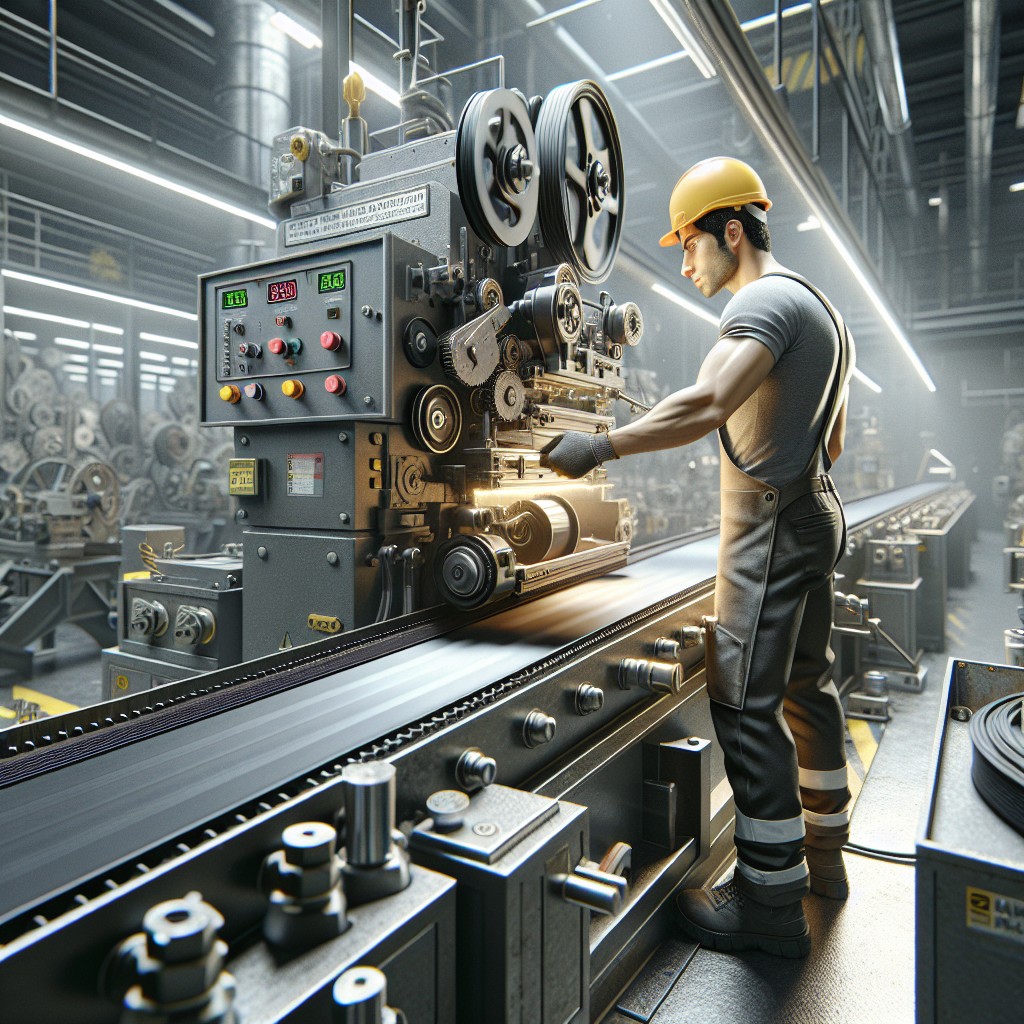
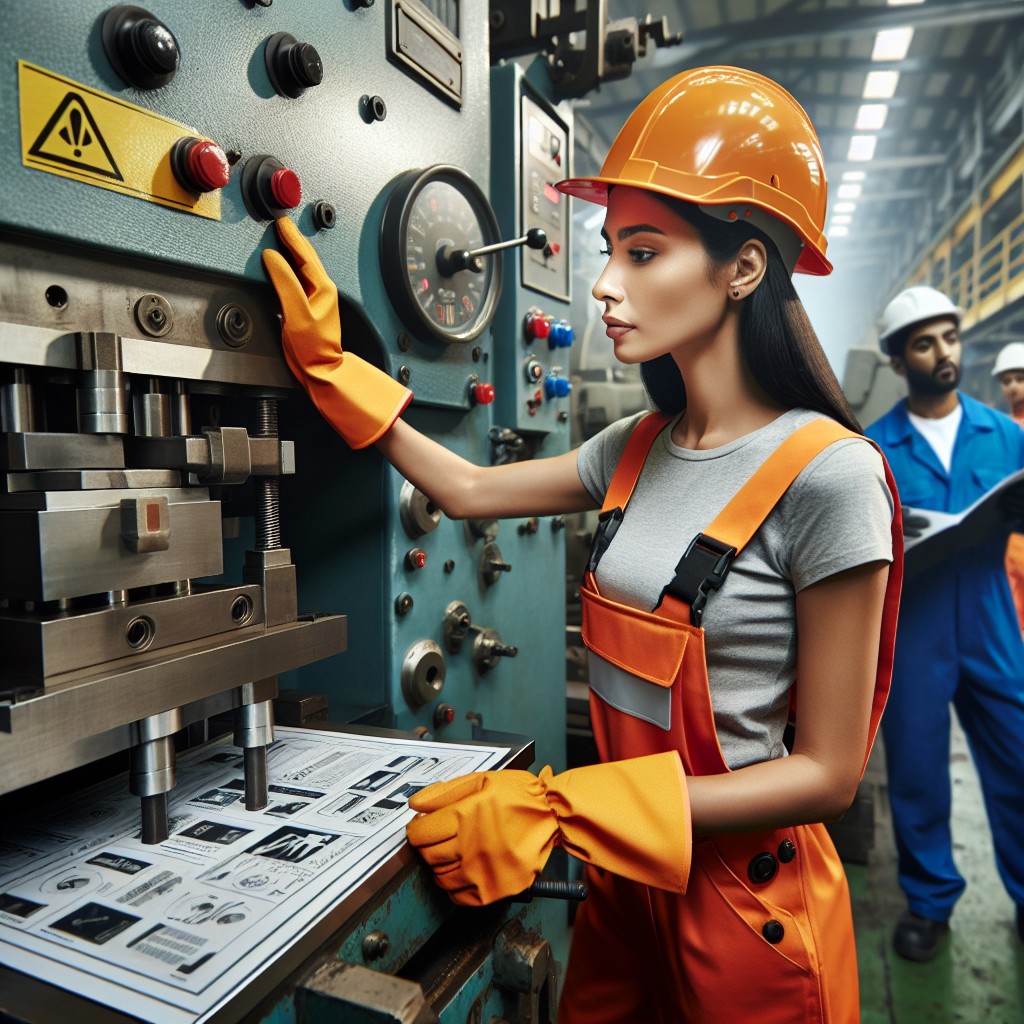
Belt vulcanizing is performed mainly through two methods: hot vulcanizing and cold vulcanizing. Hot vulcanizing uses heated presses that apply both heat and pressure simultaneously to the splice area. This method requires careful adjustment of the press temperature and pressure settings, often involving hydraulic systems for consistent force. Cold vulcanizing, on the other hand, uses chemical adhesives and requires lower pressure and ambient or slightly elevated temperatures. However, hot vulcanizing is generally preferred for its superior splice strength and durability, making accurate control of heat and pressure more critical.
Impact of belt material and thickness on vulcanizing parameters
The material composition and thickness of a conveyor belt significantly influence the optimal pressure and heat settings during belt vulcanizing. Heavier and multi-ply belts usually demand higher pressure and longer heating times to ensure complete curing. Belts made of specialized compounds, such as heat-resistant or oil-resistant rubber, may require specific temperature profiles to avoid damage. Understanding these material properties helps technicians set vulcanizing equipment accurately, preventing common failures like incomplete splices or premature wear.
Best practices for achieving clean splices in belt vulcanizing
Achieving a clean and robust splice involves more than just selecting the right pressure and heat. Surface preparation is crucial; the belt ends must be properly trimmed, cleaned, and aligned before vulcanizing begins. Continuous monitoring of the vulcanizing press conditions helps detect fluctuations in heat or pressure that could compromise the splice. Additionally, post-vulcanizing inspections, including visual assessments and mechanical tests, verify the integrity of the splice. These practices, combined with correct pressure and temperature management, ensure high-quality results that minimize downtime and extend belt service life.
The process of belt vulcanizing is integral to conveyor belt maintenance, requiring technical precision and adherence to manufacturer guidelines. Advances in vulcanizing technology and equipment continue to improve the accuracy of pressure and heat control, fostering safer and more efficient operations. As industrial demand grows, ongoing research and development in vulcanizing practices are expected to enhance splice quality further and reduce maintenance disruptions.
Frequently Asked Questions about belt vulcanizing
What is the role of pressure in belt vulcanizing?
Pressure during belt vulcanizing ensures proper fusion between belt layers, producing a strong splice. Applying the right amount of pressure prevents weak bonding or deformation, which are common splice failures.
How does heat influence the belt vulcanizing process?
Heat activates the chemical reactions that bond the rubber and fabric components of the belt splice. Controlling the temperature precisely is necessary to guarantee complete curing without damaging the belt.
Can belt vulcanizing be done without heat?
Yes, cold vulcanizing uses adhesives at room or moderately elevated temperatures but generally results in less durable splices compared to hot vulcanizing, which relies on heat and pressure.
Do different belt materials require different vulcanizing conditions?
Yes, belt composition and thickness impact the necessary heat and pressure for vulcanizing. Specialized materials might require tailored temperature settings or pressure levels to avoid splice damage.
Where can I find authoritative information on belt vulcanizing?
Reliable information about belt vulcanizing can be accessed through industry organizations and standards bodies that provide guidelines and best practices for conveyor belt maintenance.